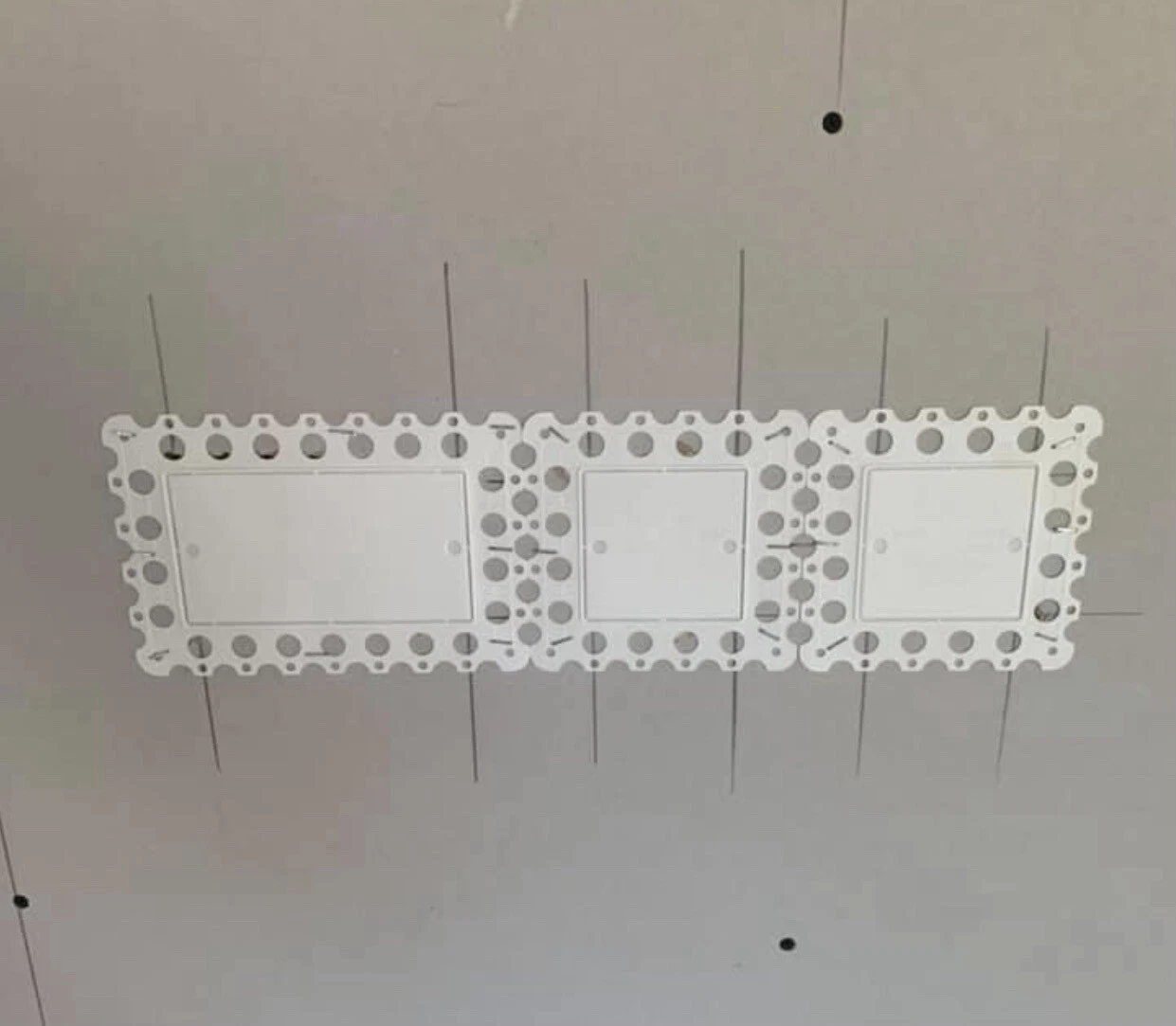
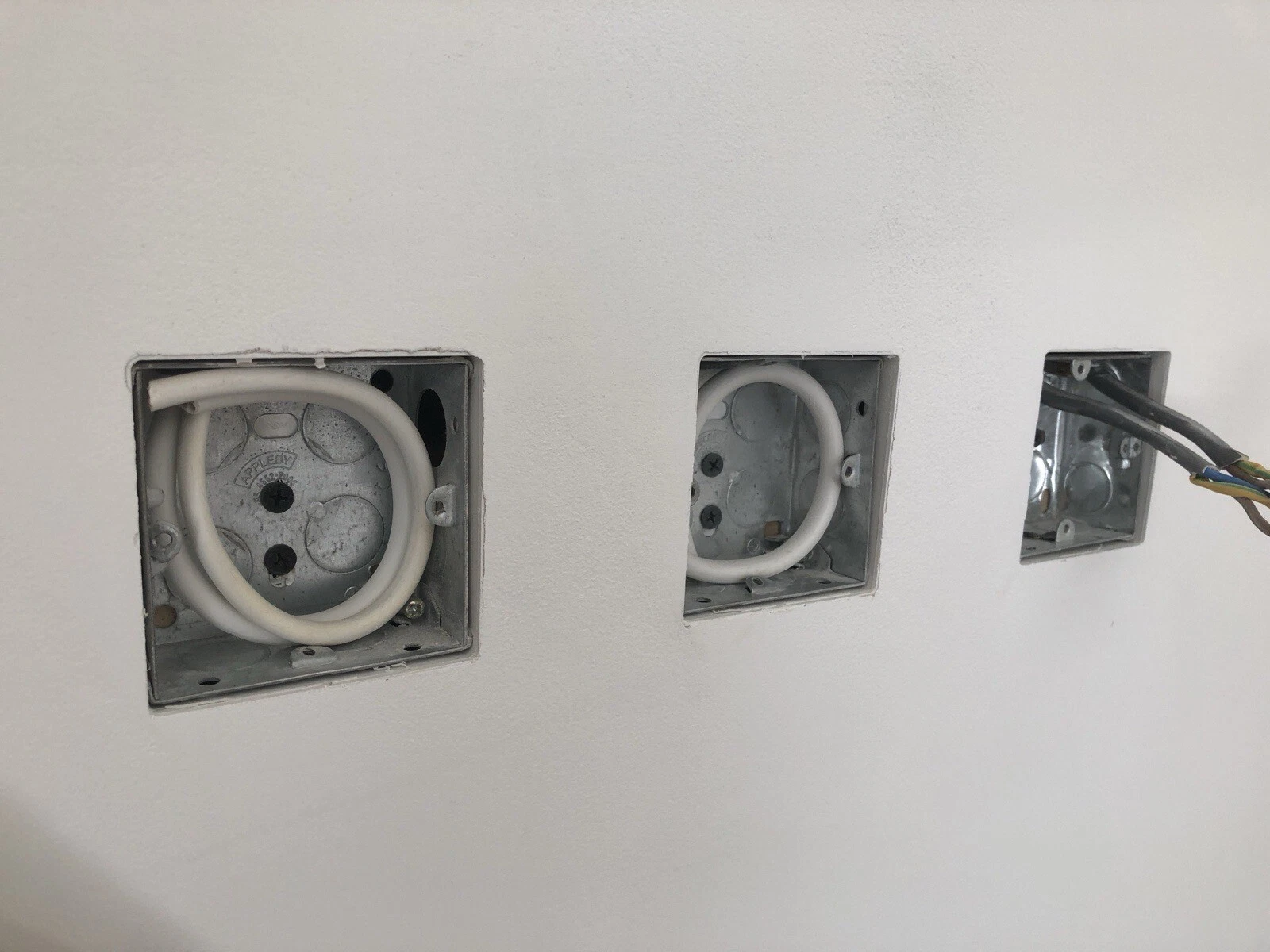
Used on plastering work at the
Royal Albert HallFor electricians, plasterers & better finishes
Socket, switch & spotlight beads
for cleaner plastering.
PC Products socket beads, socket box beads and plastering cover plates protect plug socket, light-switch and downlight openings while giving the finishing trades a firm edge to work to—on professional sites and careful DIY renovations.
- 1M+sold as of 2026*
- 2019Top Product Award
- 35+years of trade experience
* Sales figure confirmed by PC Products, 2026.
01
Ready for the plastererSingle and double openings protected before finishing
Professional ElectricianTop Product Award 2019
A proven trade record
Used on landmark and repeat-build projects.
Used by teams working for
Willmott DixonProject references confirmed by PC Products.
Designed for the handover between trades
First fix→Boarding→Plastering→Decorating→Clean second fix
Why use a plastering bead?
A cleaner way to plaster around sockets, switches and downlights.
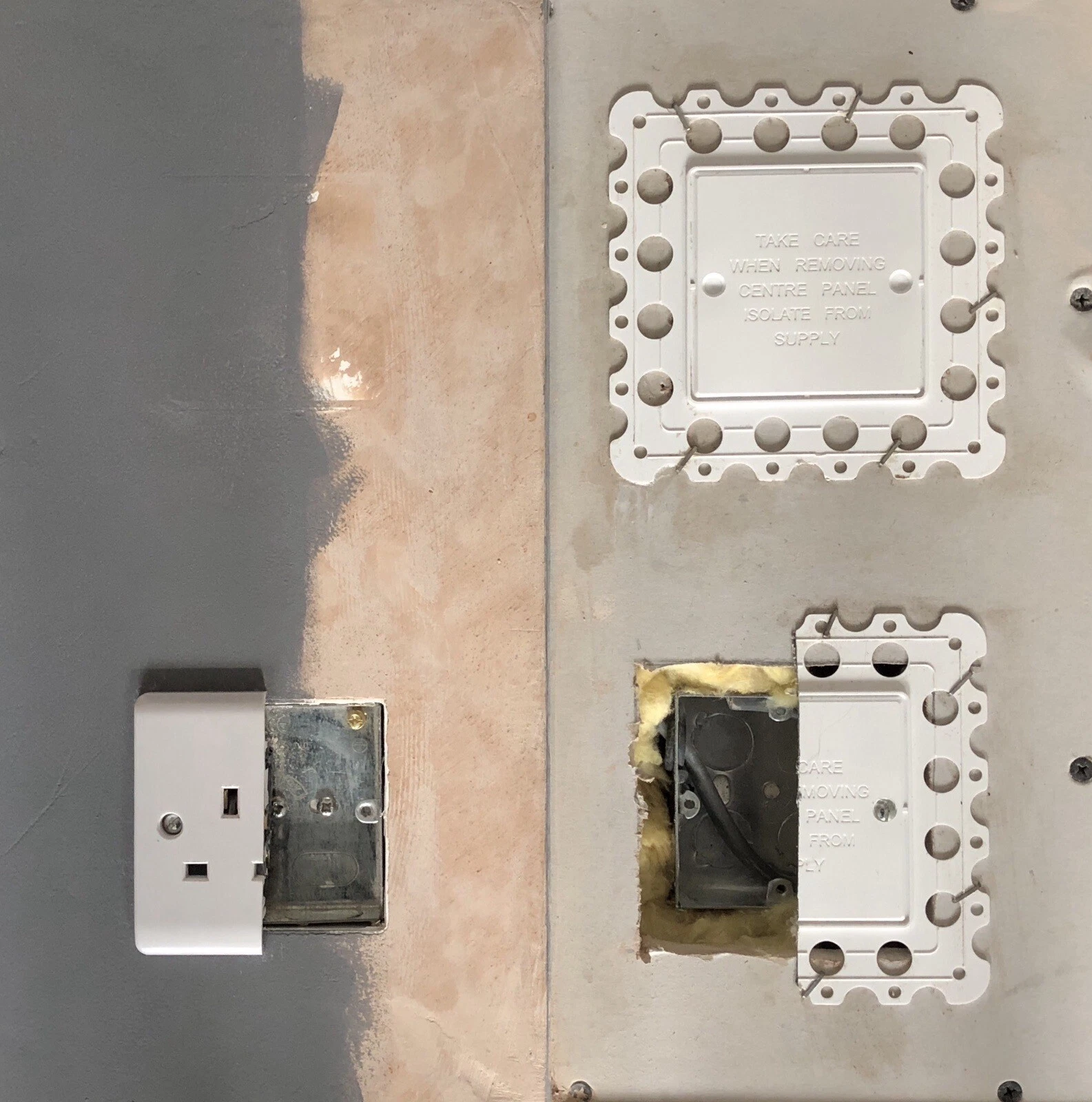
Fit the right bead before plastering, skim over the protected opening and remove the centre after the finish has cured.
Protect sockets and back boxes
The closed centre helps keep wet plaster out of the opening while the wall is being finished.
Finish neatly around downlights
A firm circular edge makes ceiling openings easier to skim and reopen to the size required by the fitting.
Reduce chips and cracks
The reinforced edge helps sockets and switch plates sit neatly, with less patching and making good at second fix.
A smoother handover between trades
Electricians and plasterers can follow the same simple, repeatable sequence on one room or across a complete development.
Start with the core range
Small products. A big difference at handover.
Choose the bead for your opening and plaster depth, then check current price, stock and delivery in the PC Products shop.
Socket beads
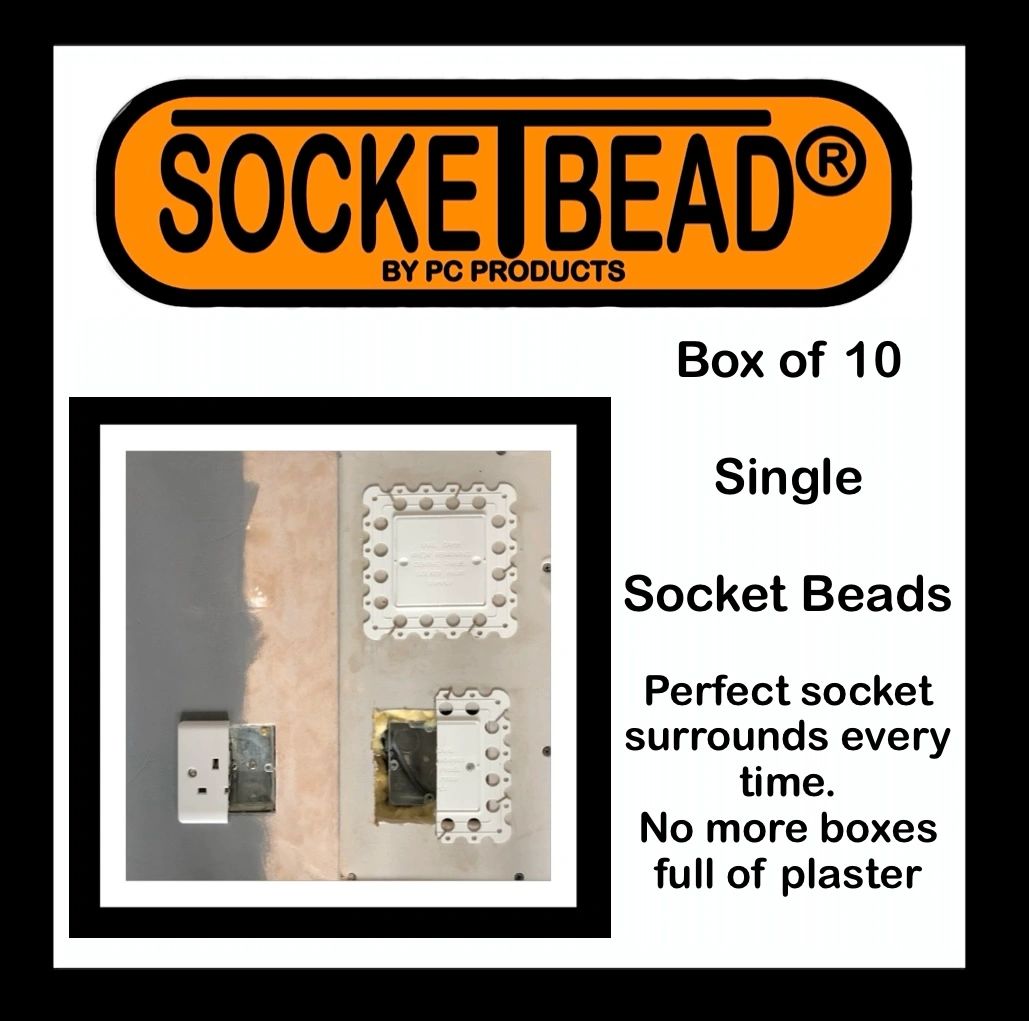
Single socket bead
Create a clean, reinforced opening around a standard single socket or light switch.
Socket beads
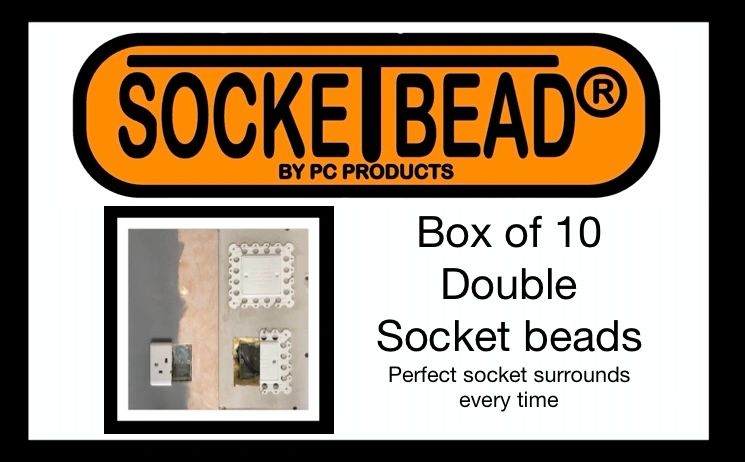
Double socket bead
A repeatable plastering edge for standard double sockets and wider switch plates.

Spotlight beads
Spotlight bead
Protect a downlight position and give the plasterer a firm circular edge to finish against.
Float & set
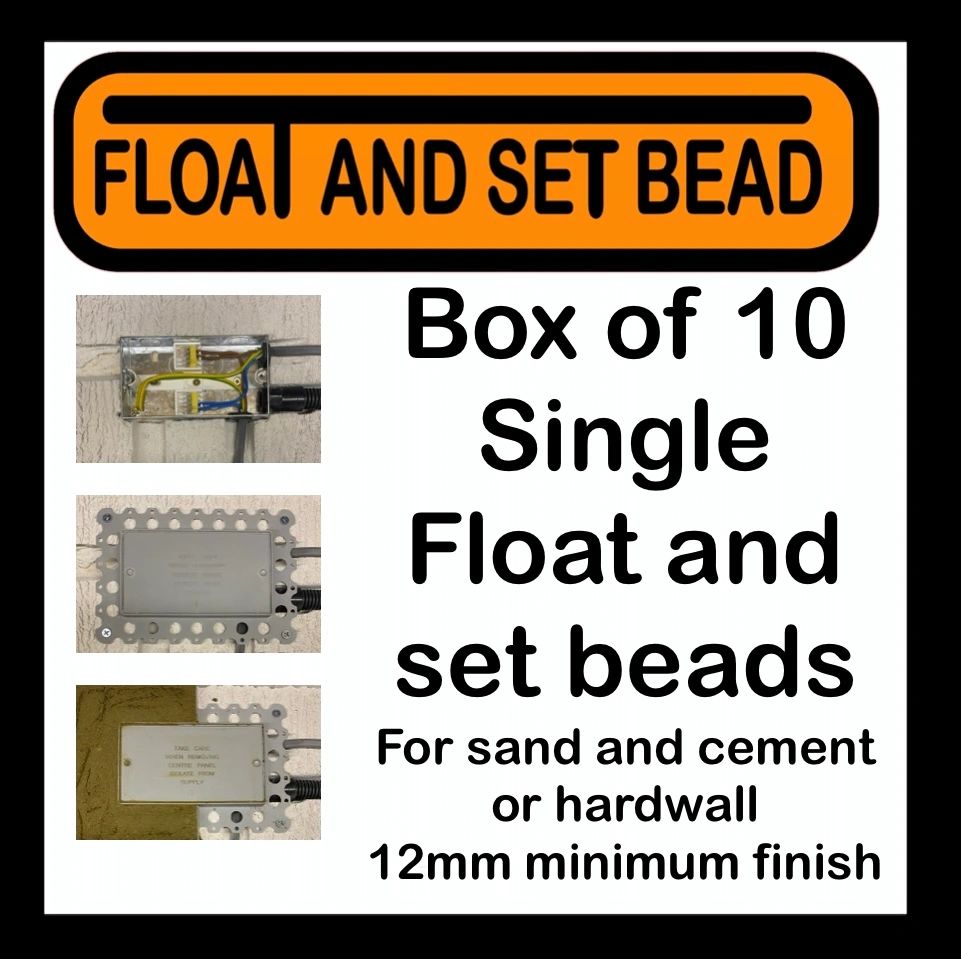
Single float & set bead
A single-gang bead for deeper two-coat plaster finishes and solid-wall work.

Tools & accessories
Square-to-round adapter
Fit selected round European-style smart controls to a standard UK single box.
Specialist beads
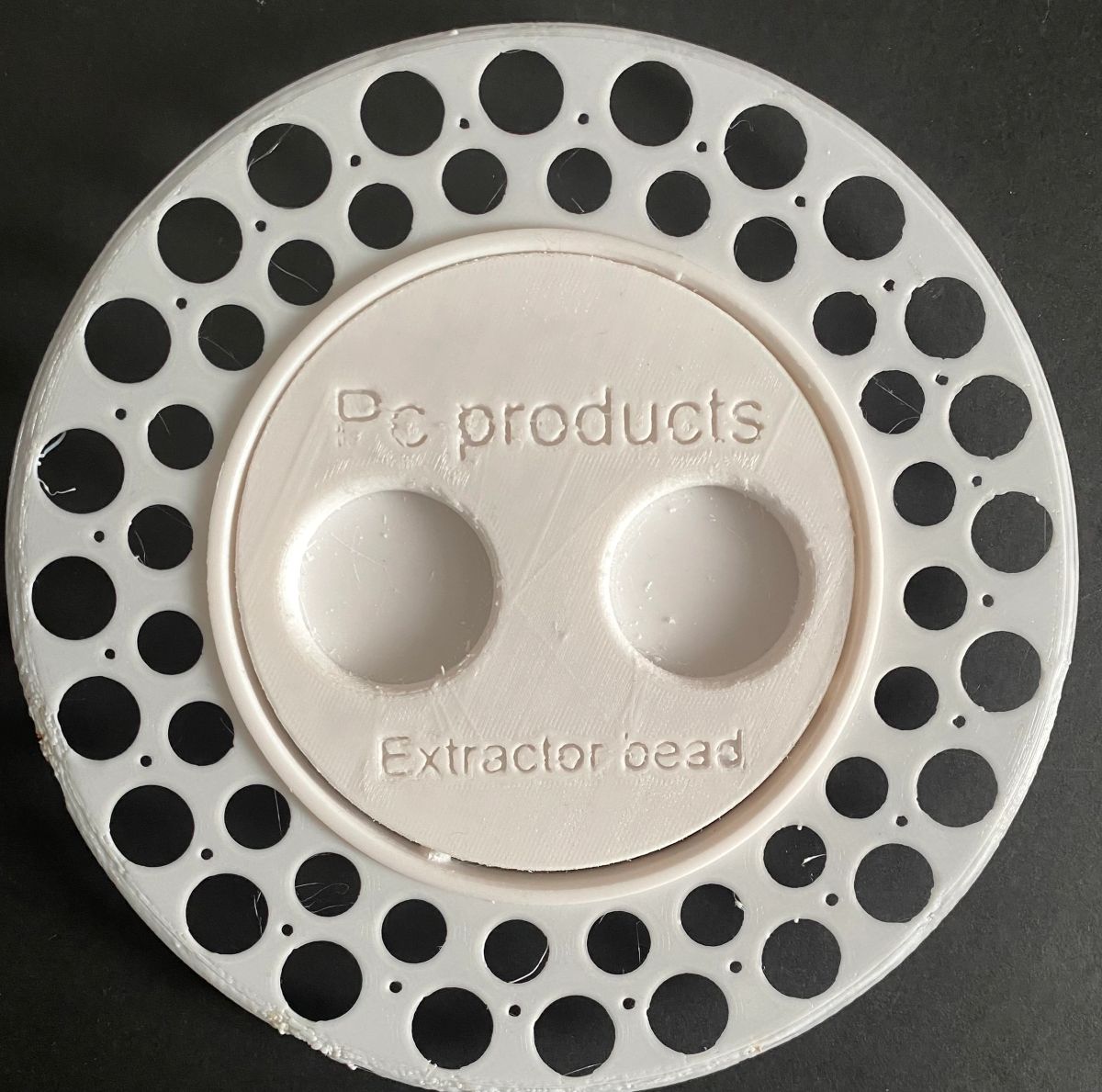
Extractor fan bead
Form a cleaner, repeatable opening around selected 100 mm extractor fan installations.
Made for the whole job
A cleaner handover between trades.
See how the range supports electricians, plasterers, DIY renovators and housebuilding teams at each stage of the job.
01
For electricians
Less time lost between first and second fix
Explore →02For plasterers
A more predictable finish around every opening
Explore →03For DIY renovators
A cleaner finish with clear electrical-safety guidance
Explore →04For housebuilders & site teams
Control quality at a high-frequency detail
Explore →A cleaner sequence
Fix. Finish. Reveal.
The bead keeps the opening protected while giving each trade a clear, repeatable sequence.
- 1
Prepare the opening
Set out the box or fitting and make the electrical position safe.
- 2
Fix the correct bead
Choose by opening, finish depth and fitting dimensions; staple or align as instructed.
- 3
Plaster and decorate
Work across the protected centre instead of fighting an unsupported hole.
- 4
Reveal the clean edge
After curing, tap and cut out the centre without damaging the connection behind it.
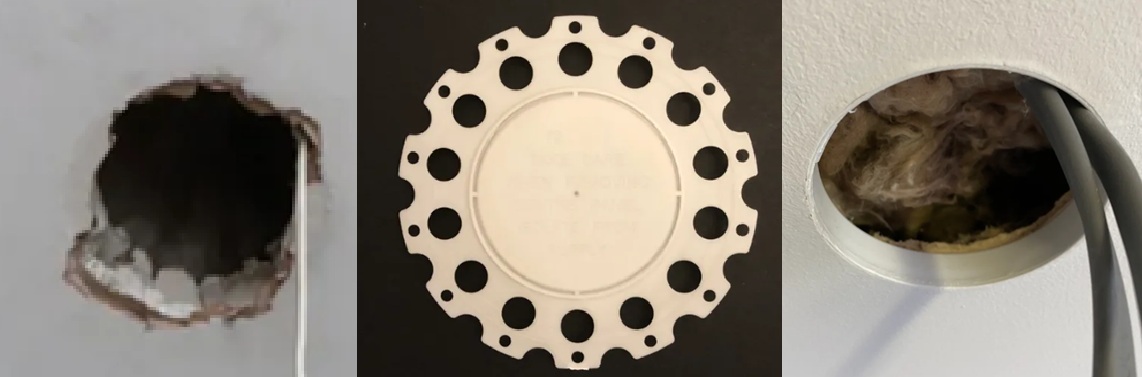
Invented from site experience
“More than forty spotlight openings in one ceiling. There had to be a cleaner way.”
More than 35 years of plastering and building experience led to a protected-opening system for sockets, switches and spotlights. The range was developed into square, rectangular and circular versions for different openings across the job.
Help for the job in front of you
How do I plaster around a socket, switch or downlight?
Find the correct bead, a safe work sequence and official product demonstrations in the help hub.
Open help & videosBefore you buy
Clear answers before you order.
What is a socket plastering bead?
It is a temporary cover plate with an outer plastering edge. It protects the socket or switch opening while the wall is finished; the centre is removed after curing to reveal a clean, reinforced surround.
Are PC Products beads fire-rated?
PC Products beads use flame-retardant polypropylene with a UL94 V-2 material classification. This describes the plastic itself, not a fire rating for the finished wall or ceiling.
When does IP54 protection apply?
The published product information states IP54 protection when the bead is stapled in place, left unpierced and fully plastered in. Check the fitting instructions for the product you buy.
Can DIY renovators use the beads?
They can help a competent DIY renovator achieve a cleaner plaster finish, but electrical isolation, alteration, testing and Building Regulations requirements still apply and may require a qualified electrician.
Do the beads make live cables safe for plastering?
No product bead replaces safe isolation. It can help keep properly secured and enclosed cabling or connections separate from wet plaster, but relevant circuits should be securely isolated and proved dead before work where required.
Where does checkout happen?
Choose your product on PlasterSparx, then continue to the secure PC Products shop to see current prices, stock, delivery and payment options.
Choose here. Buy securely from PC Products.
Find the right product, then complete your order with PC Products.
Prices, stock, delivery and payment are handled in the official PC Products shop, so payment details never pass through PlasterSparx.